

You know that sinking feeling when your fitness watch screen cracks after a rogue tree branch on a trail run, or the battery starts fading before you even finish your weekly long run? Usually, it's time to swallow the pill and drop another $300 on a replacement. But what if your smartwatch could be fixed with a simple screwdriver instead of tossed in the trash? The UNA Watch is shaking up the wearable market by challenging Garmin's dominance with a modular, repairable design and high-end GPS features for just $199. It's a bold move that asks: do you just want to lease your tech, or actually own it?
A GPS Watch You Can Actually Fix (and Keep)
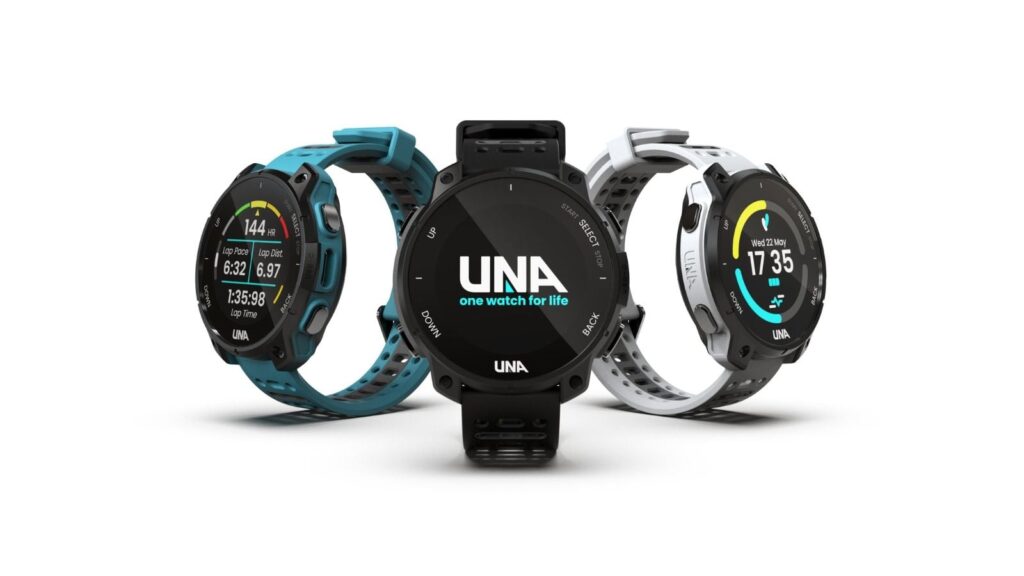
Let's be honest, most smartwatches are sealed black boxes. Once something breaks or the battery degrades, the whole device becomes e-waste. UNA changes the game by making repairability its core DNA. Held together by standard Torx T3 screws, you can swap the entire display in about three minutes. It feels like "fancier LEGO" rather than fragile electronics. If the screen cracks three years down the road, you simply order a replacement for $50 and fix it yourself. It's a refreshing approach in a world where gadgets are designed to be disposable.

Dual-Frequency GPS That Actually Tracks You
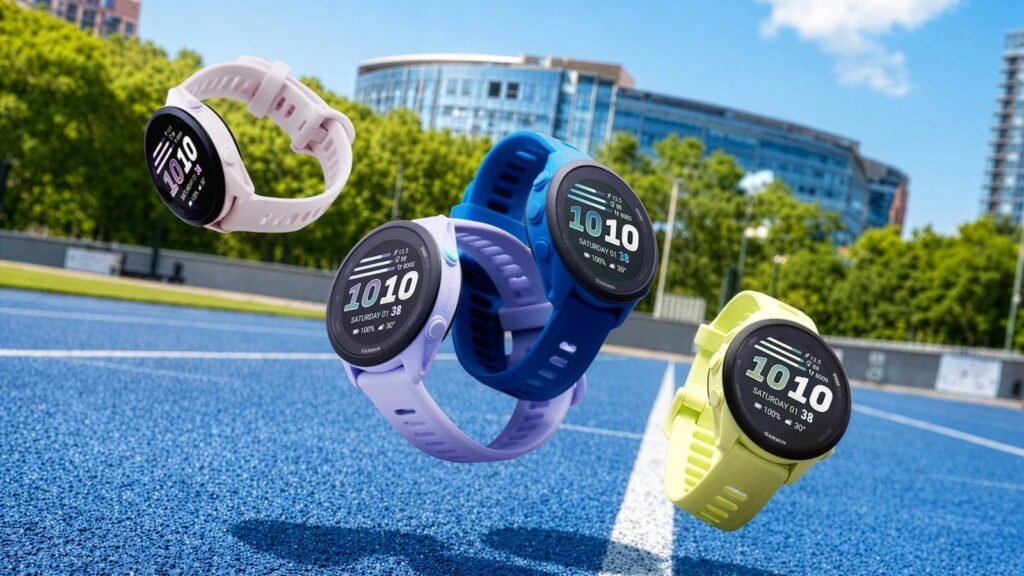
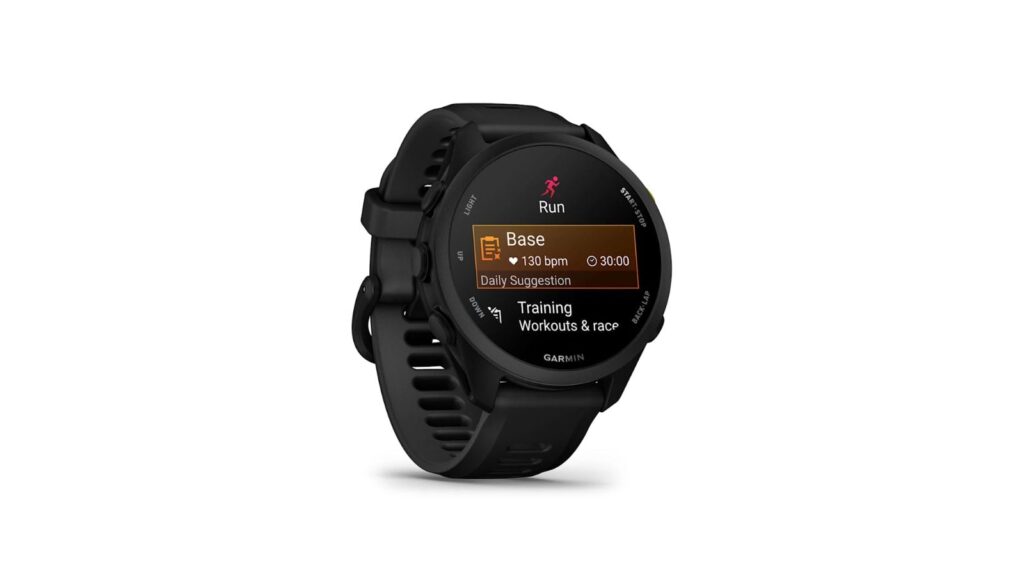
For runners who weave through city skyscrapers or dense forests, GPS drift is a nightmare. While Garmin's Forerunner 70 relies on single-frequency GPS, the UNA Watch packs dual-frequency GPS (L1 + L5) across six satellite systems—a feature usually reserved for pricier models.
- Lock-on Speed: Grabs signal in under 30 seconds.
- Precision: Dual-frequency cuts through urban canyons for accurate routing.
- Bonus Sensors: Includes a barometric altimeter and compass, which the Forerunner 70 lacks.
If you're a trail runner or hiker who cares about accurate elevation and route mapping, UNA's hardware setup is a serious win for $50 less.
USB-C Freedom and Swappable Battery Life
Is there anything more annoying than hunting for that one proprietary charging cable in the dark? UNA eliminates that frustration with USB-C charging. Plug it into the same cable you use for your phone, and you're good to go.
Beyond charging, the swappable battery means longevity. While Garmin promises up to 13 days smartwatch mode, real-world GPS testing on UNA shows a solid 7 days with mixed workouts and up to 20 hours of dual-frequency GPS use. When the battery eventually wears out in a few years, you just buy a $40 replacement cell and swap it in. It's the kind of practical thinking that makes living with this watch effortless.
MIP Display vs. AMOLED: The Right Tool for the Job
The Forerunner 70 sports a sharp AMOLED touchscreen that looks great at the gym, but UNA uses a 1.2-inch MIP LCD. Why does that matter? If you run outdoors in bright sunlight, MIP screens are significantly easier to read and drain far less power. It's the screen of choice for serious outdoor watches.
The trade-off? UNA is rated IPX5, meaning it handles sweat and rain beautifully but is not designed for swimming. If pool tracking is a must, you'll need to stick with Garmin's 5ATM rating. Additionally, UNA offers an open-source platform perfect for tinkerers, though it lacks the polished coaching plans and deep ecosystem of Garmin Connect.
Who Should Grab the UNA Watch?
If you're a runner who already knows your training zones, hates proprietary cables, and believes your gear should last longer than a phone cycle, the UNA Watch is a revelation. It might not coach you through your first 5K or track your laps in the pool, but it delivers precision hardware, USB-C convenience, and true ownership for a fraction of the cost. Choose the repairable path, and you might just find yourself keeping this watch for years instead of replacing it. Ready to buy a watch that actually lasts? The UNA Watch is waiting.