

Picture this: it’s a Friday night, you’ve got your favorite PC games queued up, and you’re ready to dive into a high-fidelity VR session. But wait—should you grab the brand-new Steam Frame or stick with the tried-and-true Meta Quest 3? With hundreds of dollars separating them, the decision isn’t just about price. It’s about how each headset actually performs in your living room.

Why PC Gamers Are Suddenly Split If you already own a gaming rig, this is where it gets real. Valve’s Steam Frame ($1,059) isn’t just another VR headset—it’s a PC-first display engineered for SteamOS streaming. Meanwhile, the Meta Quest 3 ($599.99) started life as a standalone powerhouse that also happens to connect to your PC. So what’s the actual difference?
The Steam Frame brings a dedicated Wi-Fi 6E adapter with dual radios. Translation? Your VR stream and regular Wi-Fi never fight for bandwidth. It boots straight into your Steam library, with foveated eye-tracking and ultra-light balance. The Quest 3, on the other hand, uses Air Link or Meta’s $79.99 Link cable—solid add-ons, but not the core design.
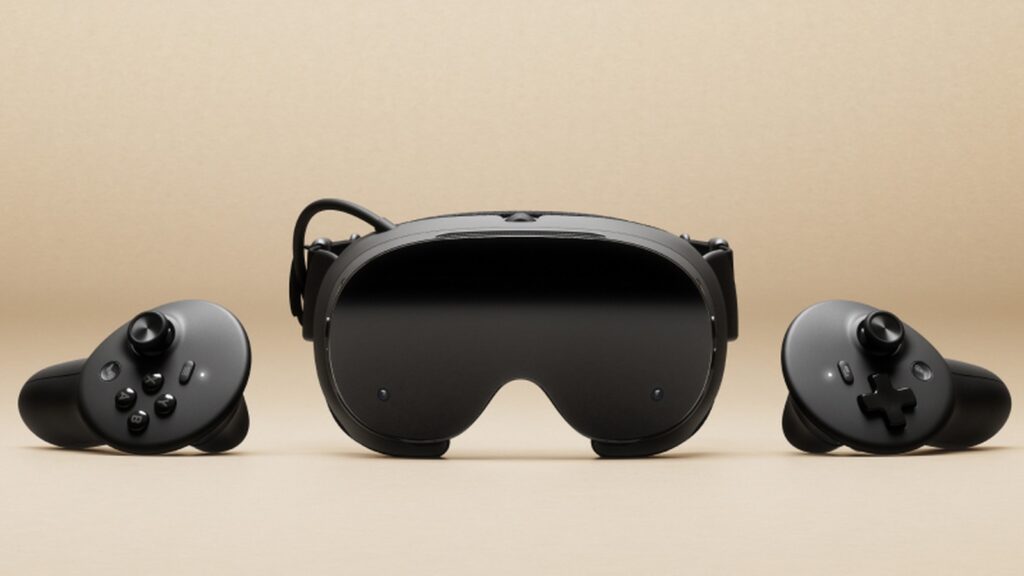
Comfort You Actually Notice Let’s be honest: heavy VR headsets ruin the magic. At 440g total, the Steam Frame shifts most of that weight to the rear strap, leaving only 185g resting against your face. Reviewers are calling it one of the most comfortable wireless PC VR headsets ever made.
Quest 3 clocks in at ~515g, with the weight concentrated up front. It’s manageable, but after a few hours of intense gameplay, the difference becomes undeniable.
When Standalone VR Makes More Sense Not every gamer has a beefy PC waiting in the corner. If that’s you, the Quest 3 shines. Its Horizon Store boasts 1,300+ native titles that run beautifully without a computer. Mixed reality? Full-color passthrough comes built-in, letting digital objects interact with your actual living room. The Steam Frame’s cameras are monochrome by default, and full-color passthrough requires a $149 Arcturus Vision Camera upgrade.

Core Benefits at a Glance
- Steam Frame: Built for PC gamers, seamless SteamOS integration, ultra-light balanced design, dual-band wireless streaming
- Quest 3: Massive standalone game library, full-color mixed reality out of the box, family-friendly, lower price point

So Which One Actually Belongs in Your Setup? If you live inside your Steam library and want PC-first VR that feels like a natural extension of your desktop, the Steam Frame is a specialized, premium investment. If you’re buying your first headset, want plug-and-play standalone gaming, or care deeply about mixed reality, the Quest 3 delivers more value right out of the box. At $599.99, it’s hard to beat.
Ready to stop guessing and start playing? Pick the headset that matches how you actually game.