

You finish a long, exhausting day, glance at your wrist, and realize your old tracker has been silently counting steps while completely missing how restless your sleep actually was. It’s frustrating, right? When shopping for a new wearable, the biggest question isn’t just about specs or flashy screens—it’s whether it actually fits your daily rhythm without draining your wallet or locking your best features behind a monthly paywall. With Samsung’s upcoming Galaxy Fit 4 and Google’s newly launched Fitbit Edge hitting the market, the search for an affordable, reliable fitness tracker just got a lot more interesting. Which one should you actually strap to your wrist for your next wellness chapter?
Let’s break it down without the tech jargon and get straight to what matters for your daily life.
Health and Sleep Tracking: Beyond the Basics If you’ve ever wondered why you wake up groggy despite hitting eight hours of rest, tracking the quality of your sleep matters. The Fitbit Edge pulls significantly ahead here. It quietly monitors your heart rhythm while you rest, looking for signs of AFib, and tracks deeper metrics like HRV, blood oxygen (SpO2), and skin-temperature variations. It even packs a convenient on-wrist ECG app.
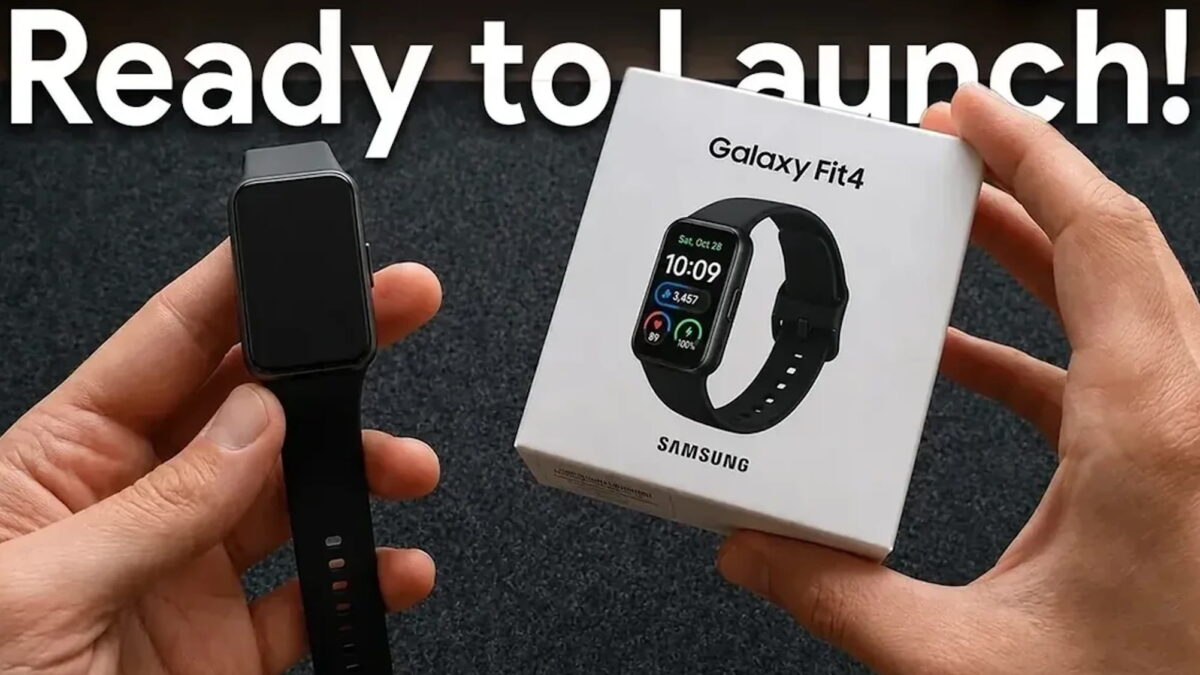
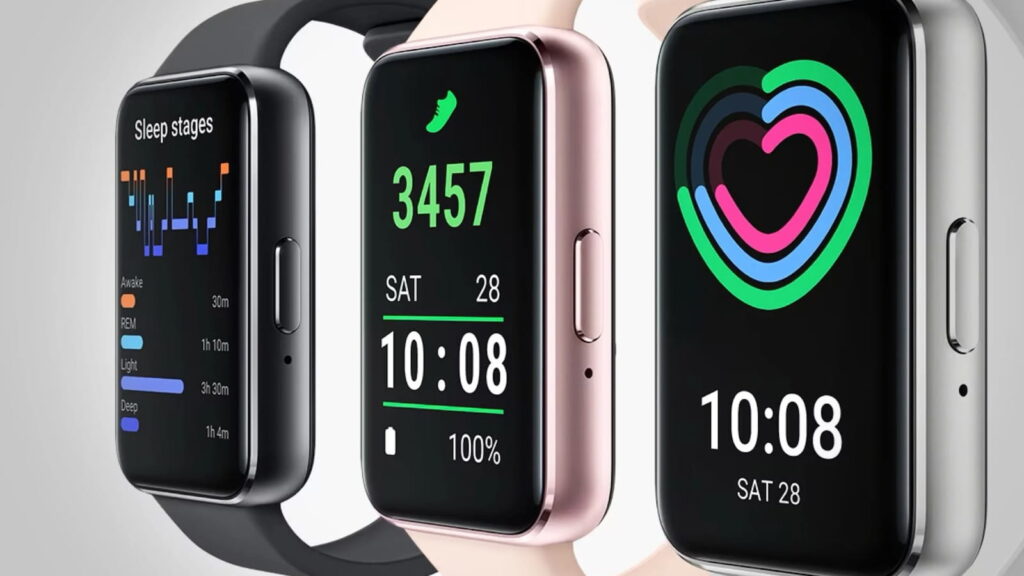
The Galaxy Fit 4, on the other hand, keeps things beautifully straightforward. You get reliable heart-rate monitoring, daily stress tracking, detailed sleep stages, and even snore detection after a week of consistent data. It’s solid for casual daily check-ins, but if you want clinical-grade insights to actually adjust your lifestyle habits, Google’s tracker delivers significantly more out of the box.
Workouts on the Go: Built-in GPS vs. Phone Tether
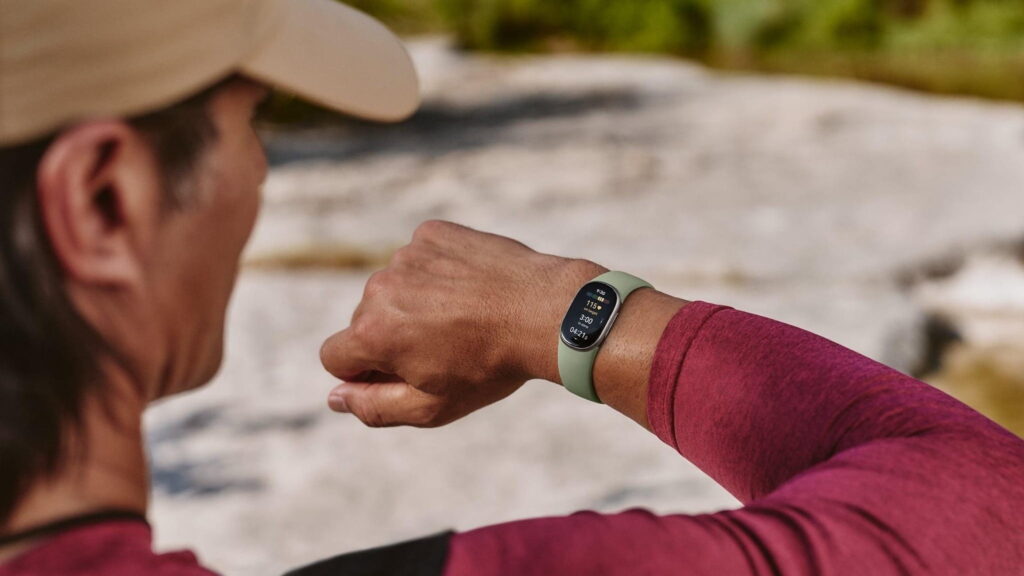
For weekend runners and evening cyclists, leaving your bulky phone behind is a total game-changer. The Fitbit Edge shines with built-in GPS and an altimeter for tracking elevation changes, automatically recognizing up to 100 different workout types. While early reviews note minor GPS calibration quirks compared to dedicated running watches, it still beats being tethered to your phone mid-stride.
Leaks heavily suggest the Galaxy Fit 4 might skip a dedicated GPS module entirely. This means you’ll likely need to carry your phone for accurate route tracking and distance logging. If outdoor freedom and hands-free running are non-negotiable for you, the Edge is the clear winner.
AI Coaching and Everyday Convenience Do you want a wearable that acts like a personal trainer on your wrist, or just a quiet observer? The Fitbit Edge heavily pushes its Google Health Coach, powered by Gemini. It crafts personalized workouts, explains shifts in your health trends, and adapts when life gets unexpectedly busy. The catch? Unlocking its full potential requires a $9.99/month Google Health Premium subscription.
The Galaxy Fit 4 takes a much more relaxed, subscription-free approach. It tracks active time, heart-rate zones, and activity calories without ever asking for extra cash. Perfect if you prefer setting your own pace without algorithmic nagging.
On the everyday convenience front, the Edge’s vibrant 1.34-inch AMOLED display offers Google Maps turn-by-turn directions, media controls, and quick replies to notifications. Meanwhile, the Fit 4 shines with up to 12 customizable home-screen tiles and a brilliantly clever notification mode that stops the same alert from buzzing on both your tracker and your phone simultaneously. I’d use that feature every single day.
The Real Cost: Subscription-Free Simplicity vs. Premium Depth

Price is where this matchup truly splits. The Galaxy Fit 4 is rumored to hit that sweet spot of $59.99–$79.99, making it an absolute no-brainer for budget-conscious Android users who just want the basics done well. The Fitbit Edge lands at a steeper $179.99, but it justifies its tag with deeper biometric metrics, true built-in GPS, and crucially, full compatibility with both Android and iPhones. Neither offers tap-to-pay just yet, but both excel brilliantly in their respective lanes.
So, which tracker actually belongs on your wrist? If you’re already deep in the Samsung ecosystem, want hassle-free background tracking, and absolutely hate hidden subscription fees, the Galaxy Fit 4 is your effortless daily companion. But if you crave phone-free outdoor runs, advanced heart health metrics, and don’t mind paying for AI-driven coaching, the Fitbit Edge easily justifies its premium.
At the end of the day, the best fitness tracker isn’t about who has the most features—it’s the one you’ll actually enjoy wearing. Pick the device that matches your lifestyle, strap it on, and finally take control of your wellness journey without overcomplicating it.