

Picture this: It’s past midnight. You finally have twenty minutes to unwind, but the living room TV is already occupied. Or maybe you’re sitting in an airport lounge, watching a delayed flight, wishing you could dive into an immersive game instead of scrolling your phone. This is where the handheld gaming dream kicks in—but it quickly splits into two very different paths.
Do you stream your console games wherever the Wi-Fi reaches, or do you carry a standalone system that works completely offline? The PlayStation Portal and the Nintendo Switch 2 are both fighting for the same cozy spot in your free time, yet they solve completely different problems. Let’s break down exactly which portable console fits your daily routine.
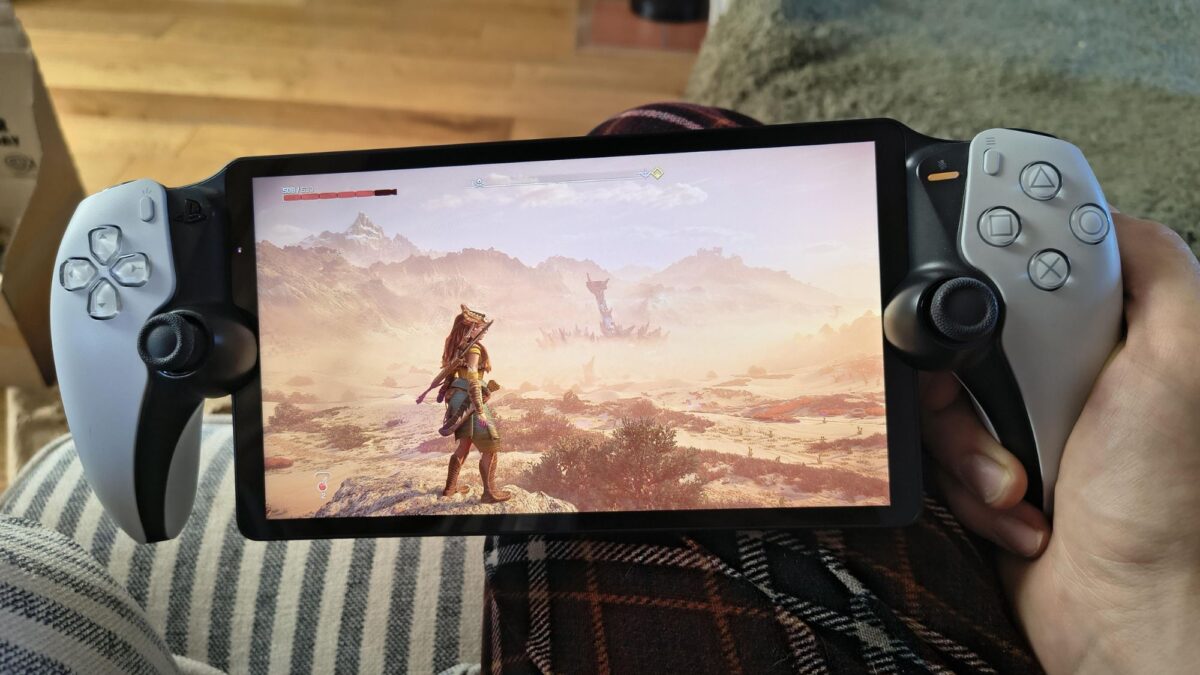
Remote Play vs. True Portability: How They Actually Work The biggest divide isn’t in the specs—it’s in how you play.
The Nintendo Switch 2 is a self-contained powerhouse. It runs games on dedicated local hardware, meaning an airplane, a dead router, or a spotty hotel network won’t ruin your session. You turn it on, press a button, and it just works.
The PlayStation Portal, on the other hand, is essentially a sleek 8-inch screen with a console-grade controller. It has no local processing power. Every frame is streamed directly from your PS5 or Sony’s cloud. If you already own a PS5 and live on fast, rock-solid home Wi-Fi, the Portal magically extends your gaming space into the bedroom or kitchen. If you’re on the move without reliable internet, however, that dependency quickly shows its limits.
Travel Gaming Reality & Network Hurdles Handheld gaming is supposed to mean anywhere. The Switch 2 truly delivers on that promise. You can play in the backseat of a car or on a cross-country train without needing an internet connection at all.
The Portal demands more from your surroundings. It requires at least 15 Mbps for a smooth experience, but real-world public Wi-Fi often throws up browser-based login walls that the Portal can’t bypass. You’d need to carry a portable travel router to bridge that gap, which adds extra gear and setup time. For frequent travelers or students in dorms with restricted networks, the Switch 2 simply offers more freedom.
Game Ownership and Long-Term Value Here’s where the long-term math gets interesting. Buying a Nintendo Switch 2 means paying once. Whether you pick up a physical game card or a digital copy, you keep it forever. Your library is yours.
The PlayStation Portal starts cheaper at $249, but leaning into its Cloud Streaming feature requires a PlayStation Plus Premium subscription. Running at roughly $160 a year, the subscription costs can easily surpass $500 in just two years—more than buying a PS5 outright. The Portal’s library is vast, but it’s also rotating. Games can leave the cloud catalog at any time. If permanent access matters to you, the Switch 2’s straightforward ownership model wins out.
Controller Feel, Latency, and Late-Night Sessions Comfort is everything when you’re gaming for over an hour. The Portal inherits the full DualSense layout, complete with adaptive triggers and console-sized grips. It feels incredibly premium. The Switch 2’s redesigned Joy-Cons are larger and add a handy GameChat button, but they still don’t quite match the ergonomic depth of the Portal.
However, every streamed input adds network latency. In fast-paced shooters or competitive racing, that tiny delay is noticeable. The Switch 2 registers every tap instantly since it processes inputs locally. If you’re chasing high-streak wins, local processing will always feel snappier.
The Verdict: Which Belongs in Your Bag? It really comes down to where you play and what you value.
- Pick the PlayStation Portal if: You already own a PS5, crave the full DualSense experience, and just need a reliable backup screen when the family takes the TV. It even surprises with a solid 4–6 hours of battery life for home streaming.
- Pick the Nintendo Switch 2 if: You want a true all-rounder that survives internet outages, travels effortlessly, and guarantees you own your games forever. It’s the safer long-term investment for players who want flexibility without the subscription creep.
If you want a seamless, anywhere-anytime portable console that grows with your library, the Switch 2 is the daily-driver upgrade you’ll actually use on every commute and cozy couch night. Ready to reclaim your downtime? Pick the handheld that matches your rhythm, and your gaming setup will finally feel complete.