

You're juggling a full workday, trying to capture the perfect shot at golden hour, and your phone decides to run out of storage. Sound familiar? For Android users who demand flagship performance, stunning cameras, and seamless AI integration, upgrading has always meant compromise. The Pixel 11 Pro enters at $1,099 with bold promises, but does the latest Google flagship deliver where it counts, or is it just another spec-sheet upgrade?
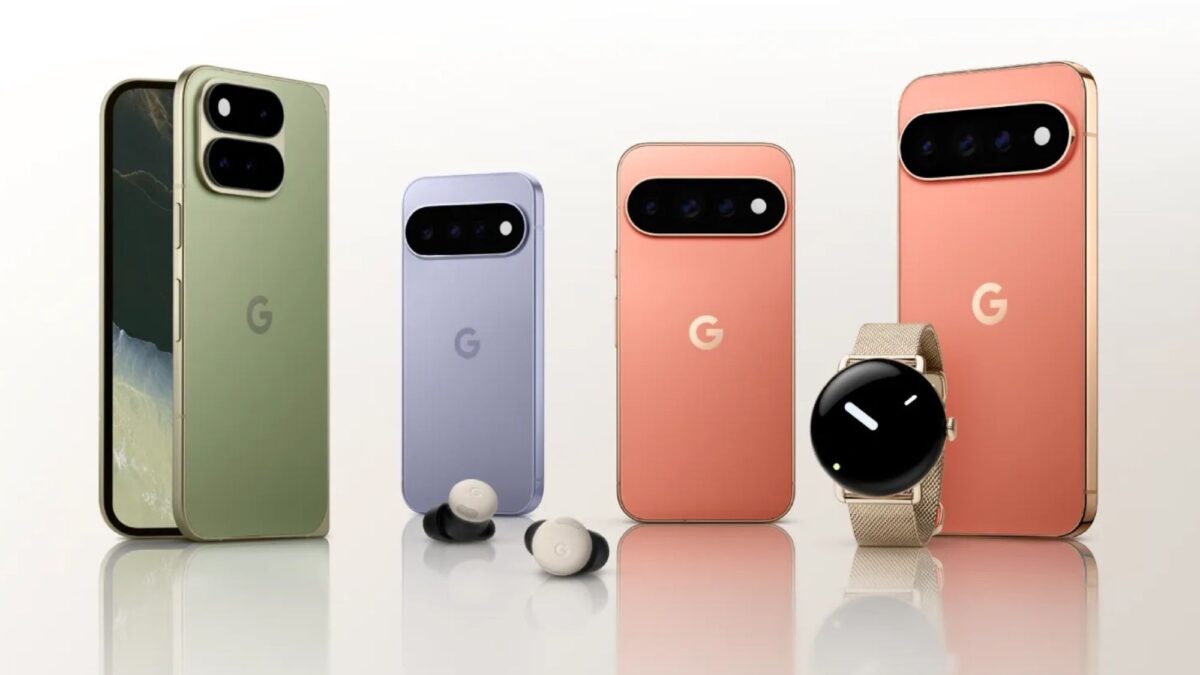
Why Storage Matters More Than RAM in 2026
Google made a controversial call: base models drop from 16 GB to 12 GB of RAM, blaming a supplier-driven memory shortage, while doubling base storage to 256 GB. It's a trade-off that divides opinion. For most users, the extra storage is the real game-changer—no more frantic photo cleanups or deleting apps just to install an update. While 12 GB RAM handles daily multitasking smoothly, gamers and power users might want to wait for the 16 GB variant. If your phone is your digital life archive, 256 GB from day one is a welcome relief.
HiLight: Your Phone Finally Talks Back
The rear camera bar isn't just for show anymore. HiLight wraps a ring of colored LEDs around the flash, turning your Pixel 11 Pro into a quiet notification hub. Imagine your phone sitting face-down on your desk while a soft green glow signals a Spotify notification, or a warm amber pulse tells you it's your mom calling. Currently limited to favorite contacts, it's a clever way to stay informed without screen fatigue. Google plans to expand message alerts in a future update, transforming HiLight from a novelty into a genuinely useful ambient feature.
Camera Upgrades That Actually Matter
This is where Google put its money. The Pixel 11 Pro features an all-new 50 MP wide camera and a redesigned 48 MP telephoto lens, pulling in 30% more light. The results? Night Sight captures up to 4.5x faster, and Portrait Mode finally works at 5x zoom. Magic Capture lets you grab a video and several stills in a single tap—perfect for reviewers, parents, or anyone who hates choosing between video and photo. Add Camera Looks for reusable film styles, and you've got a creative toolkit that rivals dedicated cameras.
Yes, Google advertises 120x Pro Zoom, but that's AI upscaling, not optical glass. Treat it as a party trick rather than a professional tool, and you'll be pleasantly surprised by what the upgraded sensors deliver in real-world conditions.
Tensor G6: Efficiency Over Raw Power
Google's Tensor G6 chip prioritizes smarts over brute force: 25% faster web browsing, 15% quicker app launches, and 50% more TPU compute. On-device Gemini Nano runs up to 3.5x faster while consuming significantly less energy. Benchmarks show it trails behind the Galaxy S26 Ultra and iPhone 17 Pro Max in raw multi-core scores, but real-world AI tasks, camera processing, and battery efficiency tell a different story. If you value seamless Google AI integration and all-day battery life over gaming leaderboards, Tensor G6 hits the sweet spot.
Who Should Buy the Pixel 11 Pro?
This phone is built for Android purists, mobile photographers, and users who want AI that actually works without feeling gimmicky. It's ideal if you prioritize camera quality, clean software, and clever features like HiLight and Magic Capture. It's less suited for hardcore gamers or benchmark chasers who demand maximum RAM and raw processing power.
The Pixel 11 Pro isn't perfect, but at $1,099 with 256 GB storage, a dramatically improved camera system, and Google's AI ecosystem fully integrated, it's the most compelling Android flagship for creators and everyday power users. If your phone is your camera, your assistant, and your digital life hub all in one, the Pixel 11 Pro doesn't just upgrade your specs—it upgrades your experience.