

You’re deep into a heated round, thumb hovering over the combo string. You press the button. The screen stutters. Your character misses the block, and you lose the round. You check your modern, Bluetooth-enabled, feature-packed controller, wondering why a $200 pad feels slower than a dusty gamepad you found in a thrift store for five dollars. The truth? Your controller isn’t broken—it’s just bloated.
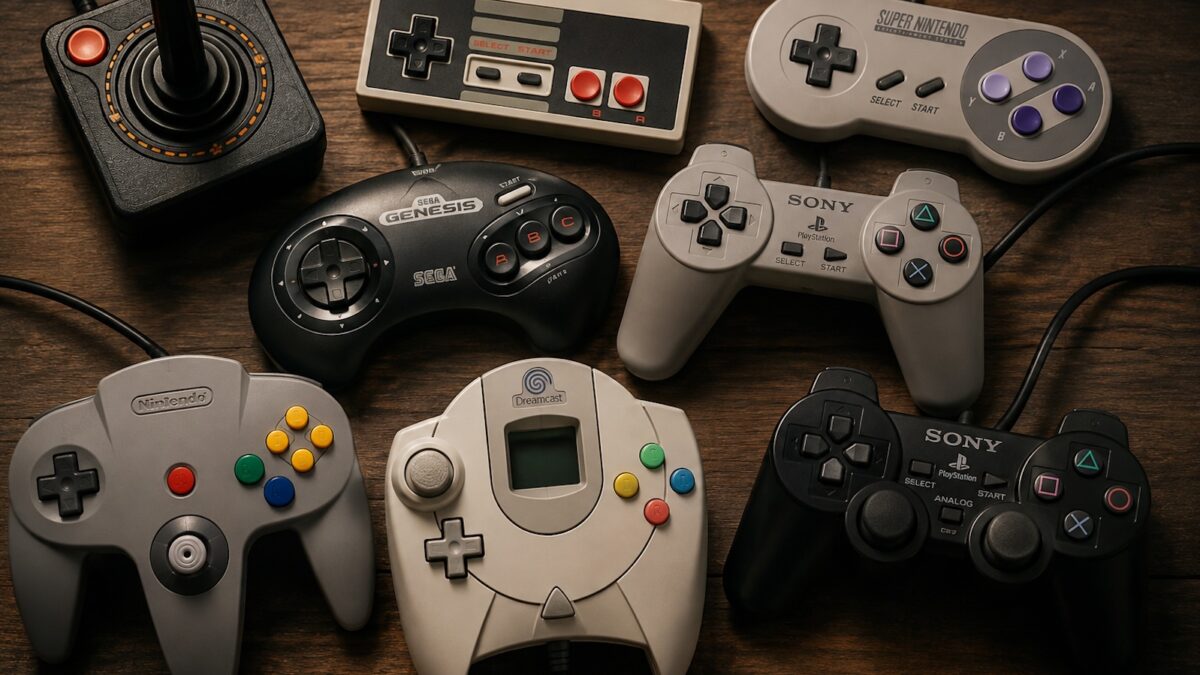
Modern controllers are essentially Swiss Army knives trying to be steak knives. They come with firmware, companion apps, batteries that tattletale on themselves, and endless pairing modes. But when you press a button on a modern wired pad, it takes five to eight milliseconds just to register the input. Meanwhile, a classic 1990s controller reads your thumb in less than a millisecond. The difference isn’t nostalgia; it’s physics. Speed is a subtraction problem, and modern pads keep adding.
Why Old-School Wiring Wins Every Time
The secret to zero-latency gaming lies in stripping away the unnecessary. Retro controllers don’t need firmware updates because they aren’t tiny computers—they’re just switches. Here’s why the classics still dominate the latency charts:
- Wired Connection: No pairing, no Bluetooth interference, no radio setup. Just a direct cable soldered to the console.
- Frame-Sync Polling: These controllers read inputs perfectly in sync with the video frame. No 125Hz vs 1000Hz debates, no buffering.
- No Dead Zones or Smoothing: A microswitch either completes the circuit or it doesn’t. No algorithm quietly alters your precise inputs.
- Less Hardware, More Reliability: No batteries to swell, no potentiometers to wear out, and no USB-C ports snapping off inside the casing.
The Countdown: From 2.39ms to Sub-Millisecond Perfection
We’re ranking these legends purely on raw input lag. Here is the hierarchy of speed:
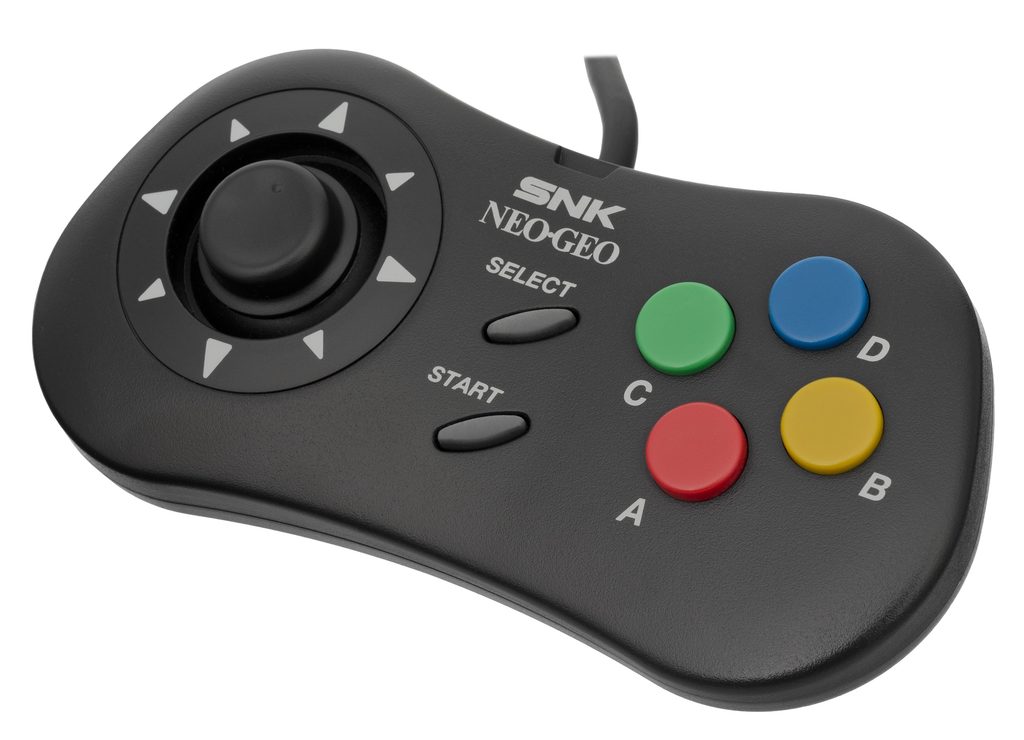
- SNK Neo Geo AES Joystick (1990): The undisputed king. Clocking in at ~0.77ms with 95% of inputs landing on the same frame. It uses arcade-grade microswitches rated for millions of presses. It’s heavy, expensive, and uses a proprietary 15-pin connector, but it’s the fastest controller ever made.
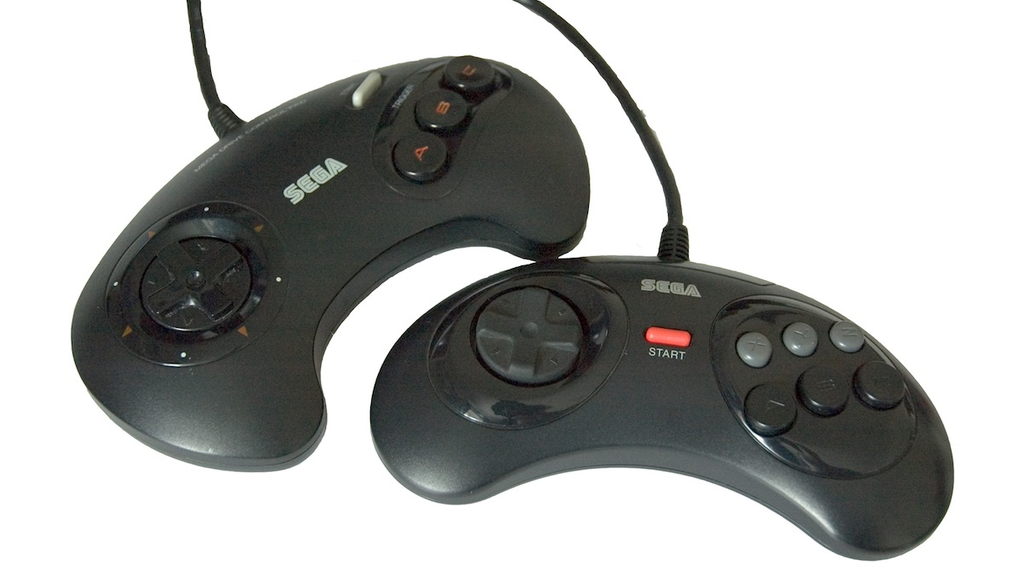
- Sega Genesis 6-Button (1993): Hitting ~0.91ms. Sega’s engineering team quietly solved latency while marketing argued about "Blast Processing." It features a Mode button that switches hardware compatibility instantly—no software patches required.
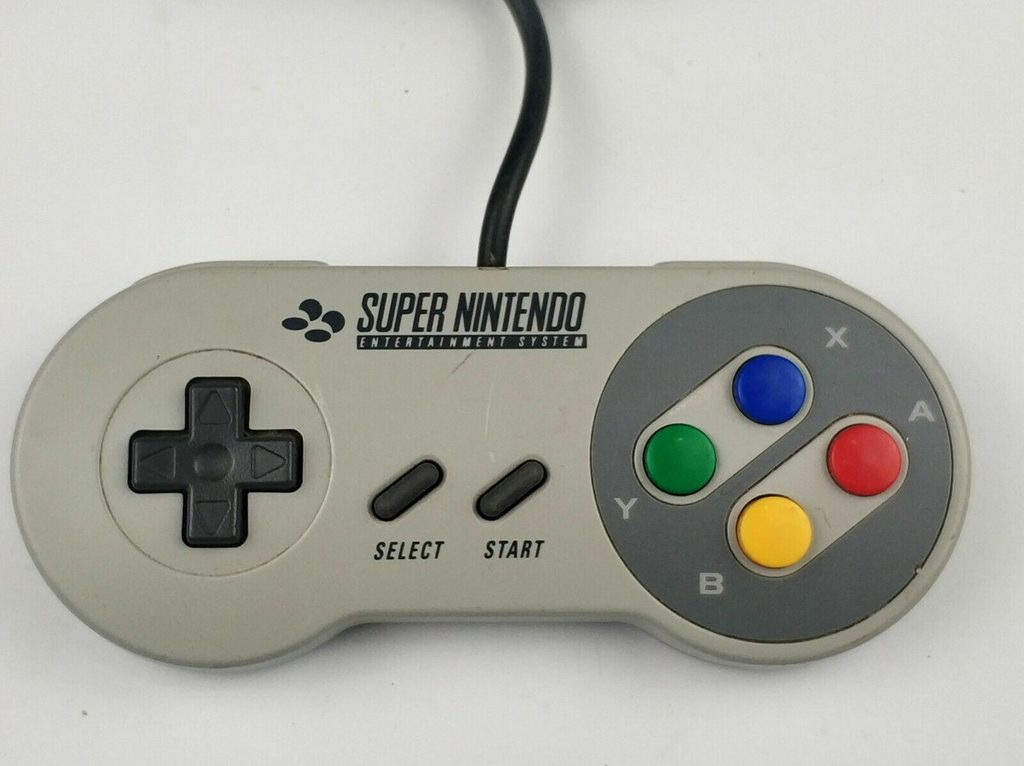
- Super Nintendo Controller (1990): At ~1.48ms, it introduced the shoulder button layout we still use today. Its D-pad is so precise that modern players buy adapters just to use it in 2026. It’s entirely digital, with no drift and no charge time.
- Nintendo GameCube Controller (2001): ~2.38ms. Famous for its massive A button, iconic C-stick, and analog triggers that register two inputs per press. The wing grips remain Nintendo’s best ergonomic achievement.
- Sony DualShock 2 (2000): ~2.39ms. The blueprint for almost every modern pad. Despite its age, it still responds three times faster than a modern pad wakes up.
Don’t Let the Adapter Ruin the Advantage
Owning a lag-free controller is pointless if you plug it into a $10 mystery converter that adds more delay than you saved. Stick to reputable adapters like Brook, Raphnet, or 8BitDo. They cost more than the pads themselves because they’re doing the heavy lifting.
Before blaming your gear for missed inputs, clean the contacts. Thirty years of oxidation can mimic a dead button, but a quick wipe with isopropyl alcohol fixes it instantly. And remember, your TV is likely the real bottleneck. Turn on Game Mode, kill motion smoothing, and stop letting a 40ms display negate your 1ms controller.
The Final Verdict
If you play modern shooters, stick with your smart, gyro-enabled pad. But if you crave one-frame precision, competitive fighting games, or pure, uninterrupted 2D platforming, a retro controller is the ultimate upgrade. It’s for the player who values raw responsiveness over feature bloat.
Latency isn’t just a spec—it’s the difference between winning and watching a replay of your loss. Unplug the modern anxiety machine, plug in a piece of history, and feel exactly what speed should feel like.