

It’s past midnight. The house is quiet, the bedside lamp casts a soft amber glow, and you’re finally sinking into the mattress to unwind. Instead of getting lost in your favorite series, though, you’re fighting washed-out shadows and distracting screen glare. Sound familiar? Choosing a TV for the bedroom isn’t about chasing peak specs or the biggest panel. It’s about matching the display to how you actually relax in that space. After testing both technologies for years, I’ve found the real question isn’t just OLED vs QLED—it’s which one genuinely fits your nightly routine.
Why Your Bedroom Completely Changes the TV Equation Living rooms demand maximum brightness to fight daylight, but bedrooms operate on an entirely different schedule. Most of us watch TV in low light, sitting much closer, or lounging at awkward angles against pillows. That’s exactly where the hardware differences actually matter. QLED relies on a unified backlight, which can leave dark scenes looking slightly gray and lose contrast the moment you shift off-center. OLED, however, controls light at the pixel level. The result? True blacks, cinematic depth, and a perfectly consistent picture no matter how you’re lying down.
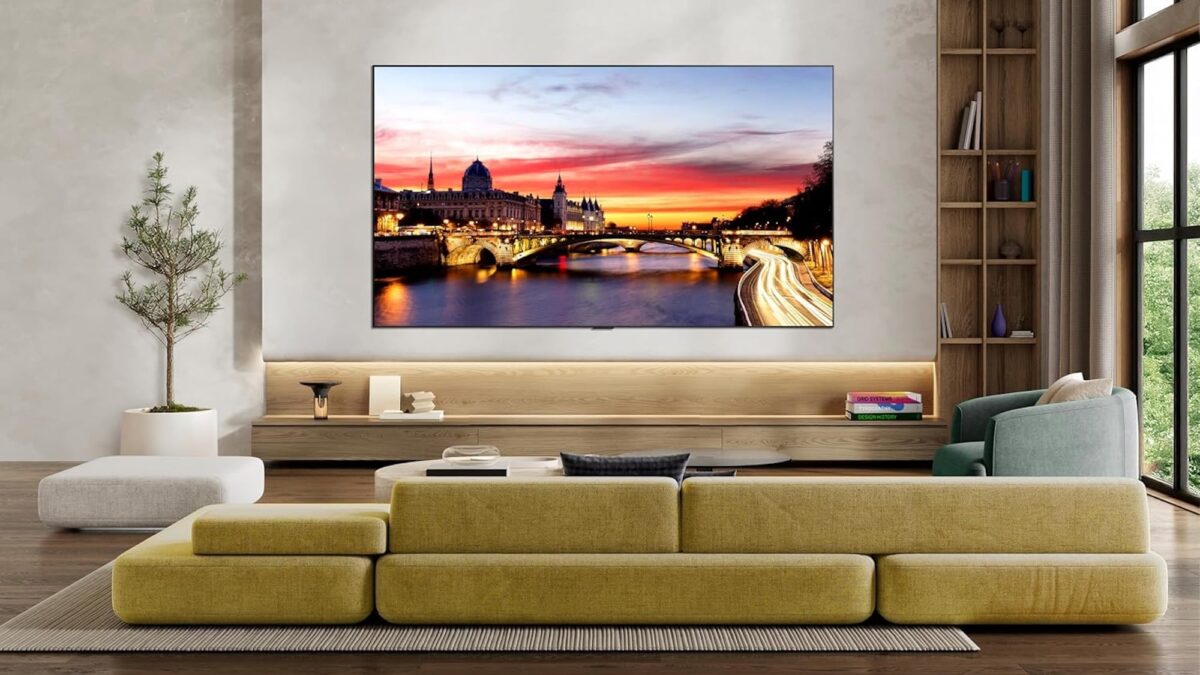
Where OLED Actually Wins in Real-Life Use If you wind down with movies after dark, the difference isn’t just noticeable—it’s transformative. Here’s why OLED consistently outshines the competition for bedroom setups: • True Black Levels That Pull You In: Fade-to-black sequences actually render as pure black, eliminating that faint gray haze. It’s the kind of contrast that makes thrillers and sci-fi films feel genuinely immersive. • Unmatched Off-Angle Clarity: Lying on your side or propped against the headboard won’t wash out skin tones or soften shadow detail. The image stays exactly as intended without needing to sit perfectly centered. • Cleaner, Immersive Audio Integration: Modern panels like the LG C6 and Sony Bravia 8 pair flawless contrast with refined sound tech. Some even project dialogue directly from the screen, keeping your nightstand free of bulky speakers while you drift off.
When QLED Is Actually the Smarter Move OLED isn’t a one-size-fits-all fix, and I’d never recommend blindly overspending. If your bedroom faces south and fills with harsh afternoon light, raw brightness wins out. Neo QLED panels like the Samsung QN90F punch through reflections effortlessly and keep highlights punchy even with the curtains open. And if you’re building a setup on a tighter budget, standout options like the TCL QM7K deliver reliable Mini-LED local dimming and rich color for a fraction of the premium price. QLED also scales to 75 inches far more affordably, though for most sleeping quarters, 42 to 55 inches remains the true sweet spot.
Does OLED Burn-In Still Matter in 2026? It’s the most common hesitation I hear from buyers. The short answer? Not for how we actually use bedroom TVs. Modern panels now ship with automatic pixel shifting, background refresh cycles, and smart logo detection that practically eliminate permanent image retention. Historically, burn-in required thousands of hours of identical static overlays—nothing like rotating between Netflix, YouTube, and streaming playlists. Unless you’re broadcasting the same sports ticker all day, it’s a fully managed feature, not a dealbreaker.
Choosing between OLED and QLED for your bedroom ultimately comes down to one thing: your lighting and viewing habits. If you watch in dim settings, crave cinematic depth, and want colors that stay rich from any lounging position, OLED is worth the premium. If daytime viewing dominates or budget flexibility is key, a high-end QLED will serve you brilliantly. Upgrade to the screen that matches your downtime, and your bedroom TV stops being just another glowing rectangle—it becomes your personal escape after a long day.