

Picture this: You’re rushing between meetings, trying to reply to a complex email on the cover screen of your foldable phone. Two seconds in, you realize your thumbs keep hitting the wrong keys because the display is just… too narrow.
We’ve all been there. For years, foldable phones have suffered from an identity crisis. Manufacturers tried so hard to make them feel like “normal” smartphones that they compromised the very thing that makes them special: the screen. We’ve accepted cramped typing, awkward web browsing, and the constant urge to unfold the phone just to get basic tasks done. But if the latest Samsung Galaxy Z Fold 8 Wide rumors hold true, the industry is finally taking a massive breath and letting foldables be exactly what they’re meant to be: pocketable mini-tablets.
A New Shape That Actually Makes Sense
What makes the Galaxy Z Fold 8 (initially leaked as the Galaxy Z Fold 8 Wide) so exciting isn’t just a spec bump—it’s a completely new question Samsung is asking. Instead of “How do we make this look like a regular phone?” the new design asks, “How do we make the most usable foldable screen possible?”
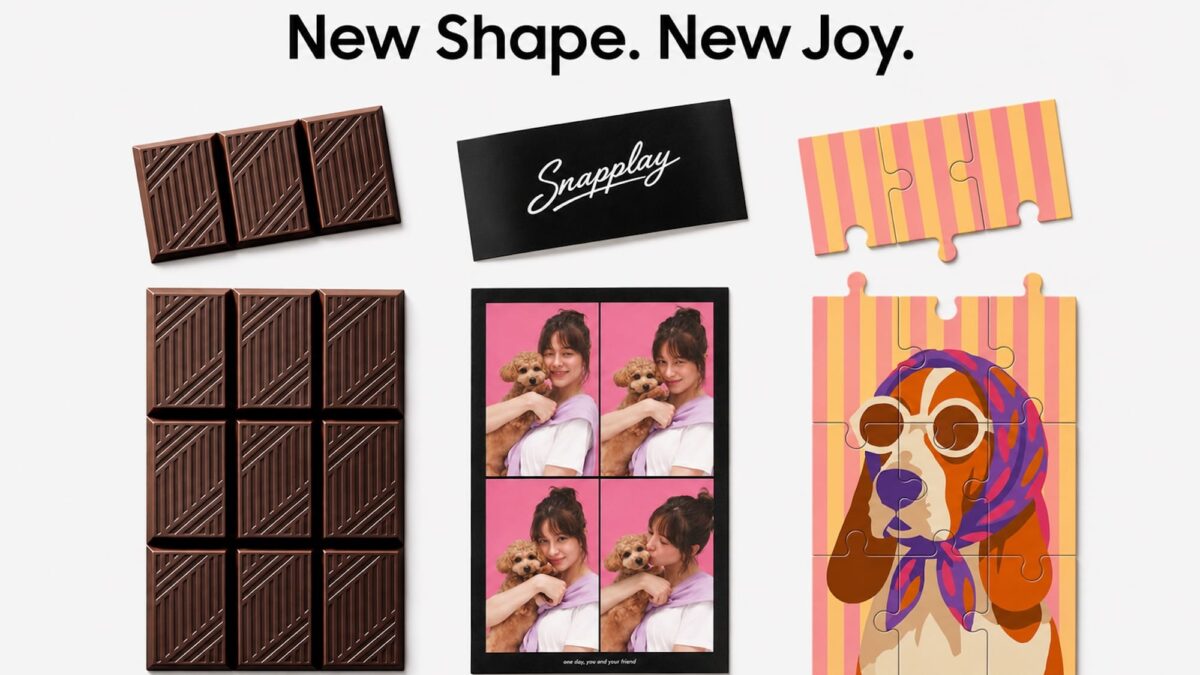
Leaked dimensions point to a folded size of 123.9 x 81.9 mm. Visually, it’s noticeably squarer and wider than the Galaxy Z Fold 7 or even the Pixel 10 Pro Fold. When you crack open that familiar, cryptic teaser marketing—yes, even the bizarre broken chocolate bar and decapitated puzzle ads—it suddenly clicks. That new, squarer proportion isn’t just for show; it’s the blueprint for a much friendlier user experience.
The Magic of the 4:3 Aspect Ratio
The headline feature of this hardware is the transition to a 4:3 aspect ratio on the inner 7.6-inch display. If you’ve ever tried to read a long article or watch a document side-by-side on a traditional foldable, you know the struggle. Narrow screens force awkward scrolling and wasted horizontal space.
Here is why the Galaxy Z Fold 8 Wide changes everything:
- Real Multitasking: Split-screen mode finally feels natural. You can actually run two side-by-side apps without everything looking squashed or pixelated.
- Typing Nirvana: The wider cover display mimics a standard slab phone, giving your thumbs the room they actually need. No more fat-fingering your messages on a narrow strip of glass.
- Lighter Than Ever: Despite the wider footprint, reports indicate the device weighs in at just 201g. That’s lighter than the Galaxy Z Fold 7, meaning you’re getting a bigger, better screen without the wrist strain.
As someone who got hands-on time with early hardware models noted, the device genuinely feels like a “new beginning” for the category. It optimizes around the hinge, finally proving that a hinge is an innovation worth designing for.
For a glimpse of what this actually looks like in action (and how it compares to older generations), check out this detailed hands-on breakdown: Watch the Galaxy Z Fold 8 Wide Hands-On Teaser
Why Target Two Different Foldables?
If you’re keeping up with the rumors, you’ve probably heard about the Galaxy Z Fold 8 Ultra alongside the Wide version. Recent case filings reported by Forbes indicate these aren't minor spec variants—they’re genuinely different devices targeting entirely different buyers.
While the standard Z Fold series has spent years trying to please everyone by blending in, the Wide is breaking the mold. It’s leaning into practicality for power users who need a cover screen they can actually rely on without constantly unfolding the device.
Who Is This For?
If you’ve been sitting on the fence, waiting for a foldable that doesn’t demand you compromise on its cover screen, the Samsung Galaxy Z Fold 8 Wide is the one you’ve been waiting for. It’s perfect for mobile professionals who live in split-screen apps, heavy readers who want a more comfortable aspect ratio, and anyone who is simply tired of narrow, awkward typing experiences.
Samsung isn't just competing on AI features or camera specs anymore; they're finally competing on the hardware that actually matters to the people holding the device. When the Unpacked event hits on July 22, if these wider proportions are real, you won't just be buying a new phone. You'll be upgrading to the way your phone should have worked all along.