

You know that feeling when your flagship phone starts lagging, the battery drains before lunch, and your photos look washed out under stage lights? You've probably been stuck in the "buy Pixel and compromise" loop for years—decent software, but hardware that always feels a step behind. What if the next phone could finally break that cycle?
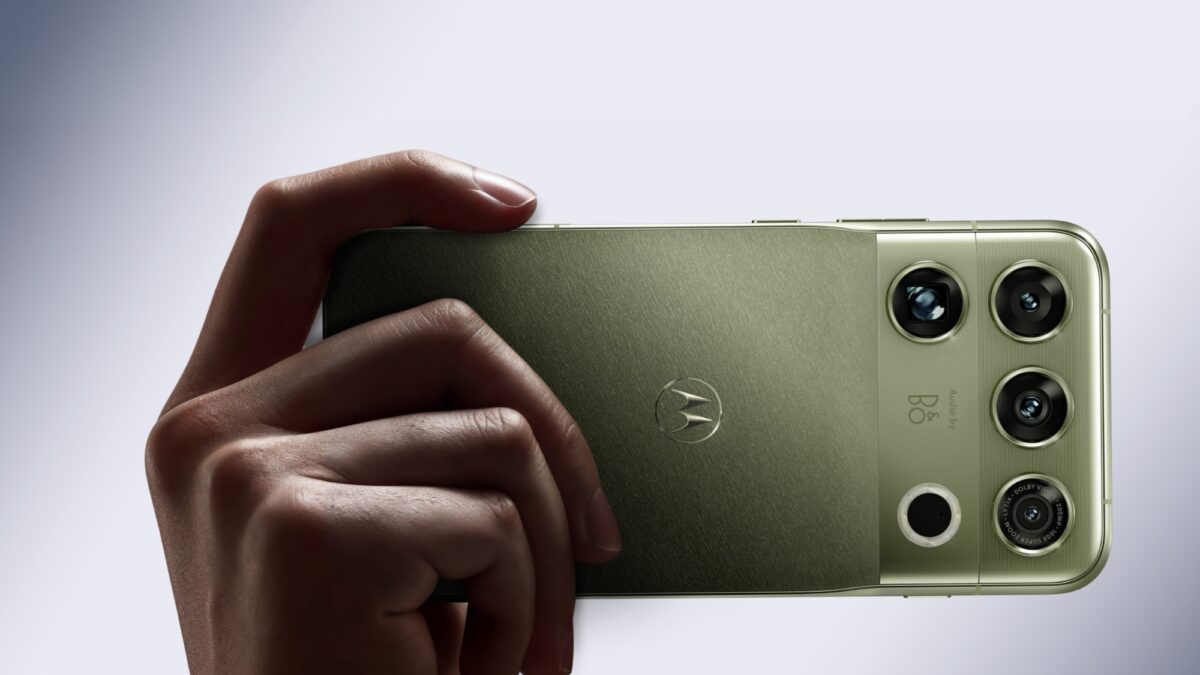
The Design That Stops You Mid-Scroll Let's talk about the back. Four lenses rest on a sloping plateau of ceramic and brushed aluminum that rises in a slow, deliberate ramp. It's wide enough to keep the phone from wobbling on your desk—something every desk worker will appreciate. The olive finish catches light in a way that makes you zoom into the photo gallery just to admire it. Under the main lens sits a ring engraved like a mirrorless zoom barrel, complete with a Dolby Vision badge. It's bold, it's unapologetic, and it's the kind of statement piece that makes you want to hold it in your hand.
Camera System: Where Specs Meet Real Life Motorola isn't just throwing megapixels at the wall. The 200MP periscope telephoto gets the spotlight, but the real hero for everyday shooting is the Sony 50MP LYTIA 910 main sensor with LOFIC technology. Stage lighting? Concerts? Late-night dinners? That sensor handles what kills most phone cameras: dynamic range. At 100x zoom, the phone leans into generative AI to reconstruct detail, which means your distant shots stay usable, not just pixelated messes.
Core benefits for your daily use: • Concert and event photography without blown-out highlights • Telephoto zoom that actually retains texture, not just AI guesswork • A main sensor tuned for real-world lighting, not just lab conditions • Ceramic and aluminum build that resists daily wear while looking premium
Power and Cooling That Doesn't Throttle Inside sits Qualcomm's Snapdragon 8 Elite Extreme Gen 6—a 2nm chip with two cores clocking at 5GHz. The name is a mouthful, but the result isn't. Motorola paired it with an ArcticMesh cooling system now infused with diamond gel, 40% larger than last generation. Whether you're gaming, editing 4K clips, or just keeping the phone cool during summer commutes, this setup aims to keep performance steady without the dreaded thermal throttling.
GrapheneOS Support: The Privacy Turn Here's where Pixel loyalists might finally pack up. GrapheneOS confirmed the Motorola Signature 27 as its first officially supported non-Pixel phone. That means the most locked-down, privacy-focused Android experience now runs on Snapdragon hardware instead of Tensor. You get flagship performance, proper fast charging, and a periscope camera—all while keeping your data actually private. It's a game-changer for anyone who's tolerated Pixel's slower chips just for security.
The Fine Print (And Why It Matters) Motorola promises seven years of OS upgrades, though it's currently buried in the legal footnotes with a "may vary by market" caveat. For a flagship at this tier, that promise should be front and center with concrete rollout dates. Battery capacity hasn't been disclosed yet, and pricing remains unknown—though the B&O audio badge and new chip suggest it won't be cheap.
Who Should Wait For This? If you're a Pixel user tired of Tensor's performance gaps, a privacy-focused Android buyer looking for GrapheneOS on premium hardware, or a content creator who needs a camera that handles tricky lighting without editing every shot, this phone belongs on your radar. The odd-looking design might divide opinions, but the spec sheet doesn't lie.
Once the price drops and the battery numbers are revealed, the Motorola Signature 27 won't just be another flagship—it'll be the phone that finally gives Android loyalists a reason to stop compromising.