

You're hiking up a mountain trail, trying to capture the breathtaking landscape behind you while keeping yourself in frame. By the time you adjust your angle, that perfect sunrise moment is gone. Sound familiar? Most action cameras force you to choose what to shoot before you press record. But with 360 cameras like the DJI Osmo 360 II and Insta360 X6, you shoot everything first and decide later. The real question becomes: which 360 camera actually delivers for travelers and content creators?
8K Video That Actually Makes Sense for Fast Action
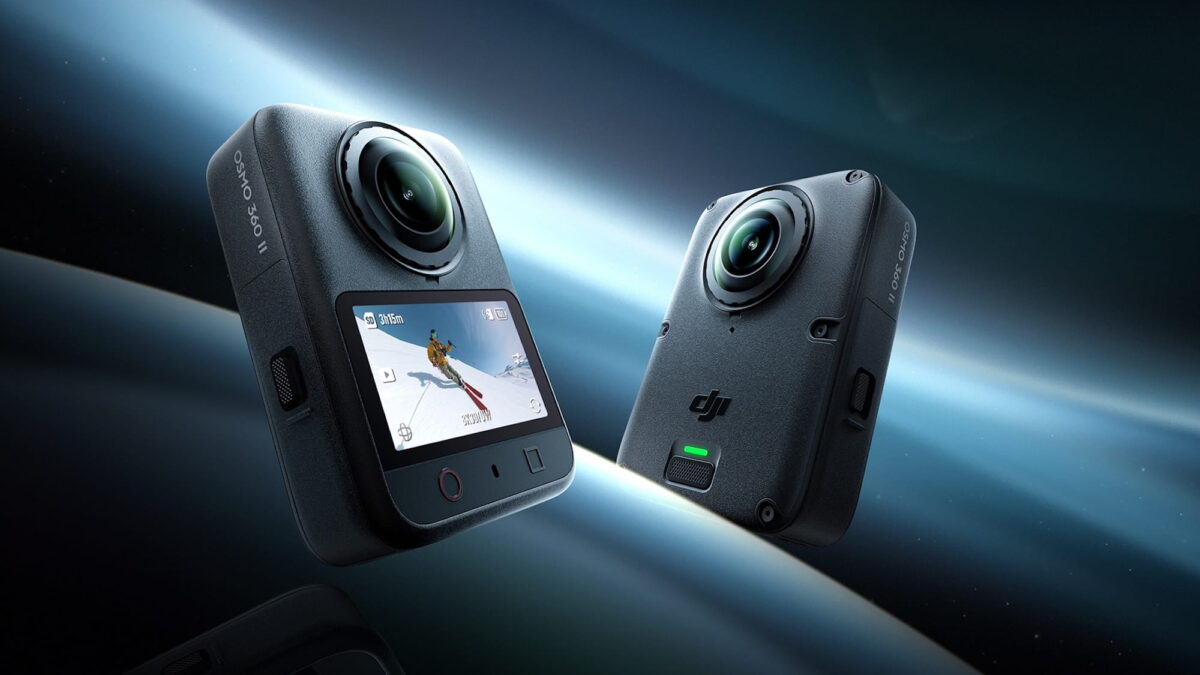
Let's talk about what really matters: frame rate. The DJI Osmo 360 II shoots native 8K/60fps, making it the first 360 camera to hit this spec. The Insta360 X6 caps at 8K/50fps. That extra 10fps isn't just a spec sheet number—it's the difference between silky-smooth footage and motion blur when you're skiing down a slope, mountain biking through rocky trails, or trying to capture your dog sprinting toward the camera.
Both cameras feature dual 1/1.1-inch sensors with 14.5 stops of dynamic range, so color accuracy and low-light performance are solid on both ends. But if you shoot fast-paced content regularly, that 8K/60fps advantage on the Osmo 360 II actually translates to cleaner crops when you reframe in post.
Travel-Friendly Storage That Won't Quit Mid-Trip
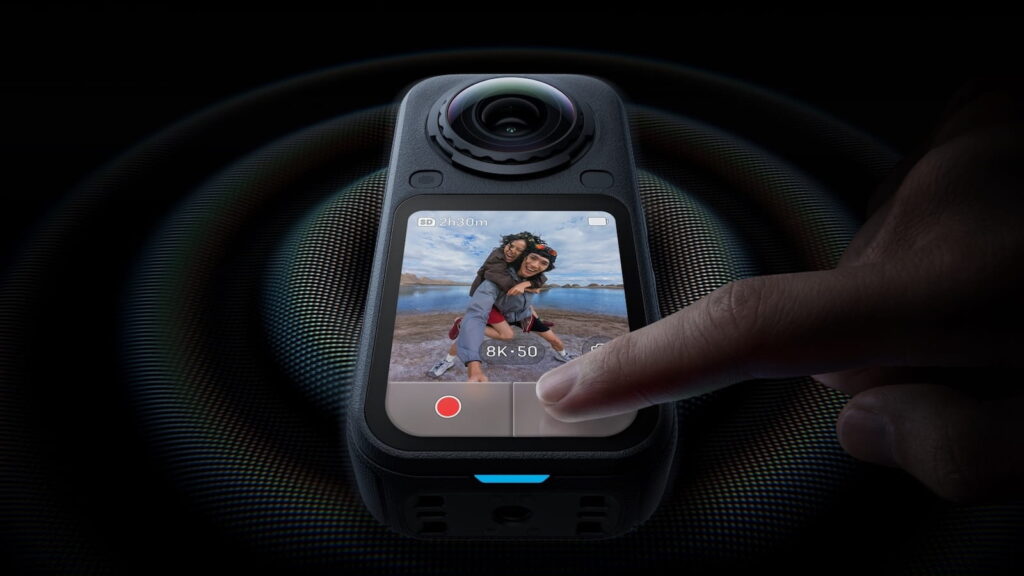
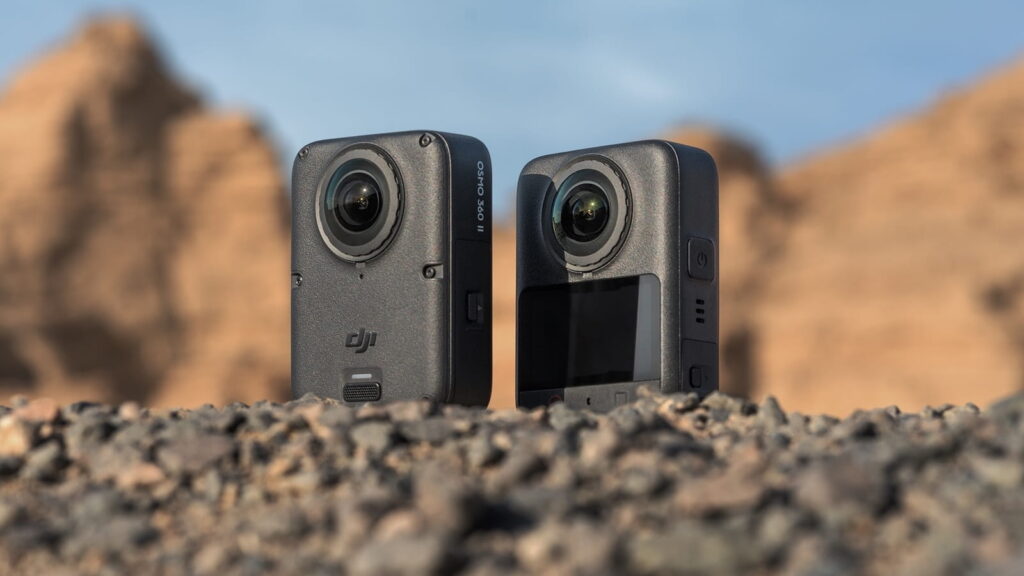
Here's where the DJI Osmo 360 II pulls ahead for anyone who's ever maxed out a memory card three days into vacation. The Osmo 360 II ships with 105GB of built-in storage—meaning you can leave the microSD cards at home. The Insta360 X6? You get 47GB usable out of 64GB total. That's enough for a day out, but I'd still pack a card for anything longer.
Battery life tells a slightly different story. The Osmo 360 II runs for 100 minutes at 8K/30fps (or 280 minutes with the optional Battery Extension Rod). The X6's Xtreme Battery pushes 140 minutes per charge—51% longer than the previous generation. Both are waterproof (Osmo to 10m bare, 50m with dive case; X6 to 20m bare, 60m with case), so beach trips and snorkeling are covered either way.
Creator Workflow: Which App Actually Saves You Time?
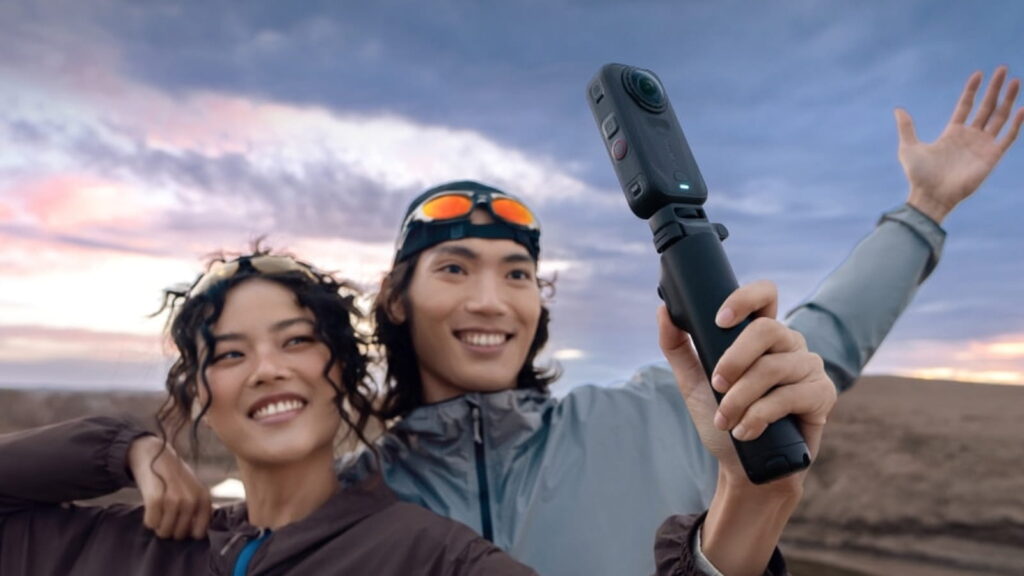
Both cameras let you strap them to an invisible selfie stick, walk through a city, and extract different crops for YouTube, TikTok, and Instagram from a single take. That's the magic of 360 capture. But the editing workflow is where things diverge.
The Insta360 X6 leans hard into AI automation. InstaFrame 2.0 tracks subjects in 4K, and Auto Edit 2.0 handles framing, cuts, and music transitions with a single tap. Users report needing about two minutes of tweaks before content is post-ready. The app holds a 4.5-star rating across 9.3K reviews.
DJI's Mimo app actually rates slightly higher at 4.6 stars across 23K reviews, but it serves DJI's entire camera lineup rather than being purpose-built for 360 workflows. If you're a solo creator who wants to shoot and post quickly, Insta360's ecosystem has the edge.
The Bottom Line
The DJI Osmo 360 II starts at €589 ($675), while the Insta360 X6 lands at €699 ($710.99). For €110 less, you get faster 8K capture, more than double the internal storage, and stronger dual-recording features for vloggers who want to film themselves and their surroundings simultaneously. The X6 counters with Dolby Vision, smoother AI editing, and immediate US availability (the Osmo 360 II hasn't launched stateside yet).
Choose the DJI Osmo 360 II if you travel light, shoot fast action, and want maximum built-in storage without carrying extra cards. Pick the Insta360 X6 if AI-powered editing, Dolby Vision grading, and US availability matter more than raw frame rate. Either way, stop worrying about framing before you hit record—just shoot, and let the 360 magic handle the rest.