

Your kid just watched a plastic dragon hatch from a 3D printer in a viral video, and suddenly the requests won’t stop. You want to say yes, but the thought of tangled filament, scorching nozzles, and hours of manual calibration makes you hesitate. You need a machine that actually works out of the box, keeps little hands safe, and won’t get abandoned after one failed print. After testing the top beginner models on the market, I found the exact formula that turns casual curiosity into a lasting hobby.
Why “Beginner-Friendly” Actually Means Reliability Kids and teens don’t need dumbed-down gadgets disguised as toys. They need consistency. The biggest killer of a new 3D printing hobby is a frustrating first run. Manual bed leveling, cryptic slicer software, and exposed hot ends turn a creative weekend project into a cleanup chore. What parents and young makers actually search for comes down to three things: automatic calibration that removes guesswork, an intuitive interface that doesn’t require an engineering degree, and a reasonable budget that leaves room for filament experimentation. When the setup feels effortless, the focus shifts entirely from troubleshooting to creating.
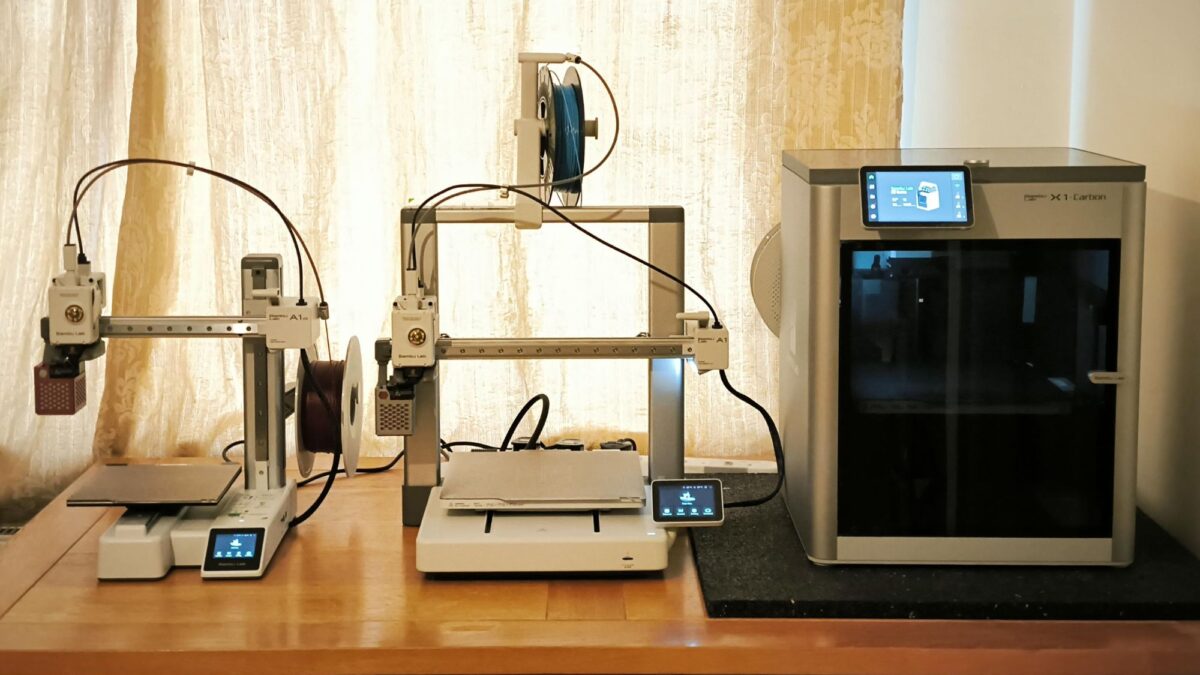
The Bambu Lab A1 Mini: A Confidence-Building Starter The Bambu Lab A1 Mini sits exactly where most entry-level printers miss the mark. It arrives nearly assembled, runs its own self-calibration in under ten minutes, and connects directly to the Bambu Handy app. Instead of wrestling with SD cards and complex menu trees, your kid or teen can browse thousands of free, kid-approved models on a tablet, tap print, and watch the first layer drop perfectly. The learning curve feels almost invisible, but the room to grow is massive.
Here’s why it consistently wins for young makers:
- Zero-Guess Calibration: Auto bed leveling and Z-offset detection mean the first print usually succeeds on the first try. No more adjusting metal knobs or wiping away filament spaghetti.
- Familiar App Control: The dashboard mirrors the apps kids already use. Start, pause, or monitor progress from a phone while they work on school projects or sketch new designs.
- Effortless Multicolor Upgrade: The optional AMS Lite handles automatic filament loading and four-color prints, but the real win is printing long projects without manually swapping spools mid-way.
- Designed for Supervised Safety: The nozzle stays behind a protective guard, and the machine pauses instantly if the cover opens. It’s built for peace of mind during independent print sessions.
- Quiet, Room-Friendly Operation: You can place it in a bedroom or shared family space without the constant hum of stepper motors disrupting homework or movie nights.
Whether they’re printing custom keychains, replacement parts for broken controllers, miniature terrain for tabletop games, or early engineering prototypes, the A1 Mini handles standard PLA smoothly and quietly. It feels premium enough to grow into, yet approachable enough to master on day one.
Quick Tips for a Frustration-Free Workspace Even the smartest printer needs a thoughtful setup. Clear a sturdy desk away from curtains, floor vents, and high-traffic walkways. Measure the actual desk footprint before ordering, because filament spools, power adapters, and removal tools need their own breathing room. Store extra filament in sealed bags with desiccant packs to prevent moisture absorption, and let your teen handle the first few filament loads under light supervision. A clean, organized corner transforms a gadget into a reliable daily maker station.
The Verdict: Ready to Make, Not Just Assemble The Bambu Lab A1 Mini bridges the gap between casual curiosity and genuine building capability. It’s the ideal starting point for parents who want a safe, low-friction STEM experience, and for teens ready to design, slice, and print without hitting technical walls. You’re not just buying a printer; you’re handing them the keys to a personal workshop that scales with every new idea. Clear a spot on the desk, load your first spool of filament, and let their next imagination take shape—literally.